
You don’t need to spend $800 or $1,000 to get a smartphone that feels modern in 2026.
The best smartphones under $300 now offer features that were once reserved for much more expensive phones, including 120Hz displays, 5G connectivity, large batteries, capable cameras, AMOLED screens, and surprisingly long software-support commitments.
But choosing the right budget phone isn’t simply about finding the biggest battery or the highest megapixel count. A phone that looks impressive on a spec sheet can still disappoint with slow performance, poor cameras, limited updates, or a dim display.
At SEE2GET, we focus on the things that matter after you buy: how a phone performs day to day, how long it should remain useful, what its biggest compromises are, and whether it represents good value for the money.
After comparing the current sub-$300 market, these are the smartphones we would put on your shortlist.
Best Smartphones Under $300 at a Glance
| Smartphone | Best for | Why we recommend it |
|---|---|---|
| Samsung Galaxy A26 5G | Best overall | Excellent balance of display, cameras, durability and long-term updates |
| CMF Phone 2 Pro | Best for design & cameras | AMOLED display, versatile camera system and clean software |
| Motorola Moto G Power (2026) | Best battery life | Built for buyers who prioritize endurance |
| Samsung Galaxy A16 5G | Best affordable option | Strong software support and dependable everyday features |
| Refurbished flagship | Best performance | Older premium phones can offer much faster hardware for under $300 |
Prices vary by retailer, storage configuration, region and promotions. Always check the current price before buying.
1. Samsung Galaxy A26 5G — Best Smartphone Under $300 Overall
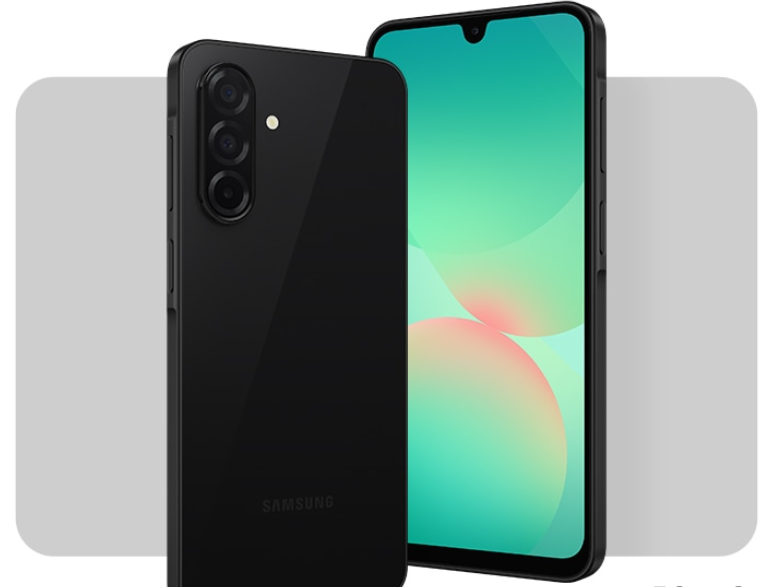
If you want one phone that does most things well without making major compromises, the Samsung Galaxy A26 5G is one of the easiest recommendations in this price range.
Samsung gives the A26 a 6.7-inch FHD+ Super AMOLED display with a refresh rate of up to 120Hz. It also has a 50MP main camera with optical image stabilization, a 5,000mAh battery and IP67 water and dust resistance.
The biggest reason to consider the A26, however, is longevity.
Samsung promises up to six generations of Android OS upgrades and six years of security updates for the Galaxy A26 5G. That makes it much easier to justify buying the phone as a long-term device rather than treating it as something you’ll replace in a year or two.
Why buy the Galaxy A26 5G?
- 6.7-inch 120Hz Super AMOLED display
- 50MP main camera with OIS
- 5,000mAh battery
- 5G connectivity
- IP67 water and dust resistance
- Six generations of OS upgrades
- Six years of security updates
What are the downsides?
Performance is good for everyday use, but this isn’t a gaming-focused phone. Buyers looking for maximum gaming performance may find better alternatives.
The camera system is also more about dependable everyday photography than flagship-level zoom or low-light performance.
SEE2GET verdict: The Galaxy A26 5G is the safest all-round choice for most people shopping for a new smartphone under $300.
2. CMF Phone 2 Pro — Best for Display, Design and Camera Versatility
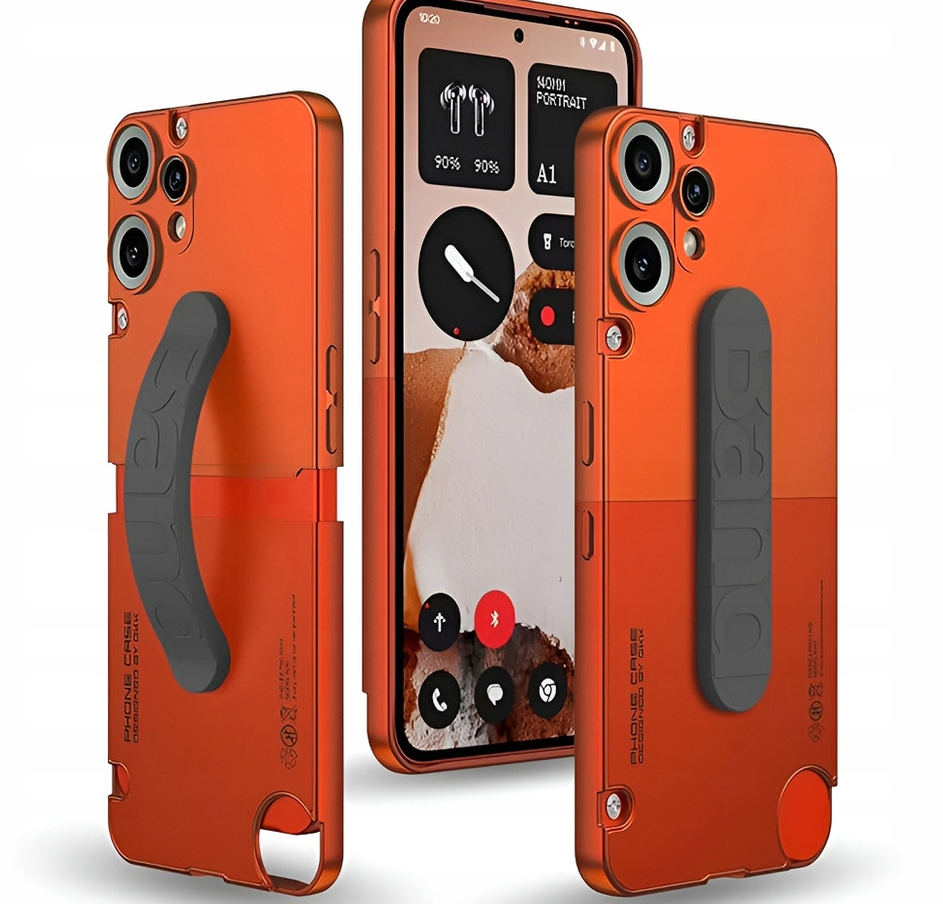
The CMF Phone 2 Pro takes a different approach.
Instead of trying to imitate a traditional budget Samsung phone, CMF focuses on design, display quality, performance and camera versatility.
It features a 6.77-inch flexible AMOLED display with a 120Hz adaptive refresh rate, a MediaTek Dimensity 7300 Pro 5G processor and a 5,000mAh battery.
Its camera setup is particularly interesting for the price. Alongside the 50MP main camera, you get an 8MP ultrawide and a 50MP telephoto camera with 2x optical zoom. That telephoto camera gives the CMF Phone 2 Pro something many inexpensive phones lack: useful optical zoom.
The software-support commitment is also respectable, with three years of Android updates and six years of security updates.
Why buy the CMF Phone 2 Pro?
- 6.77-inch 120Hz AMOLED display
- Dimensity 7300 Pro 5G processor
- 50MP main camera
- 50MP telephoto with 2x optical zoom
- 5,000mAh battery
- 33W fast charging
- Clean Nothing OS software
- Six years of security updates
What are the downsides?
Its software-support policy is not as strong as Samsung’s six generations of OS upgrades.
The IP54 rating also provides less protection against water than the Galaxy A26’s IP67 rating.
SEE2GET verdict: A compelling alternative to Samsung if you want a more distinctive design, excellent AMOLED display and a genuinely useful telephoto camera.
3. Motorola Moto G Power (2026) — Best for Battery Life

For some buyers, the most important smartphone feature isn’t the camera or processor. It’s battery life.
That’s where Motorola’s Moto G Power line makes sense.
The 2026 Moto G Power is aimed at people who want a large-screen phone that can handle long days of streaming, browsing, messaging, navigation and social media without constantly searching for a charger.
Current 2026 budget-phone comparisons put the Moto G Power among the strongest options for battery endurance, with a large battery and a price comfortably below the $300 ceiling.
Why buy the Moto G Power?
- Excellent battery endurance
- Large display
- Smooth high-refresh-rate experience
- 5G on supported configurations
- Good value for heavy everyday users
- Typically priced below $300
What are the downsides?
Motorola generally prioritizes battery life and value over premium materials and flagship-level cameras.
If photography and long-term software support are your highest priorities, Samsung may be the better choice.
SEE2GET verdict: Buy the Moto G Power if you routinely finish the day with a nearly dead phone—or simply don’t want to think about charging.
4. Samsung Galaxy A16 5G — Best Affordable Samsung
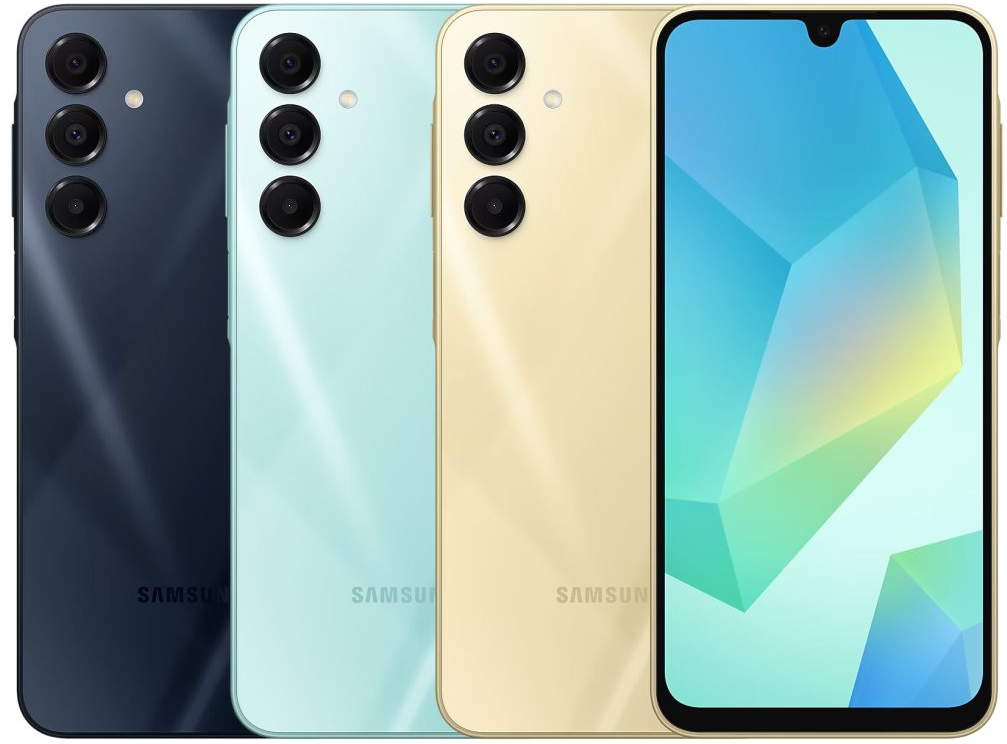
If you don’t need to spend the full $300, the Galaxy A16 5G is worth considering.
Samsung gives the A16 5G a 5,000mAh battery and promises up to six generations of OS upgrades and six years of security maintenance.
That software-support commitment is especially impressive for a lower-cost phone. It means buyers don’t necessarily have to sacrifice longevity simply because they’re spending less.
Why buy the Galaxy A16 5G?
- Affordable
- 5G connectivity
- 5,000mAh battery
- AMOLED display
- Long software-support commitment
- Samsung’s familiar One UI experience
What are the downsides?
The A16 is a clear step below the A26 in performance and overall hardware.
If your budget allows it, spending more on the A26 can make sense because you’re getting a better display experience, stronger camera hardware and additional durability features.
SEE2GET verdict: One of the better choices for buyers who want to spend as little as possible without buying an obviously outdated phone.
5. Don’t Ignore Refurbished Flagships
There’s another category worth considering when your budget is capped at $300: refurbished phones.
A new $250 budget phone isn’t automatically better than a three-year-old flagship.
A refurbished iPhone or Samsung Galaxy can give you a better processor, stronger cameras, better speakers, wireless charging and more premium materials than a brand-new entry-level phone.
Current 2026 used-phone pricing illustrates just how competitive this category has become. For example, recent market data puts devices such as the iPhone 13, Google Pixel 8a and Galaxy S24 FE around the $250-$300 range depending on condition and storage.
The trade-off is obvious: you’re buying older hardware, and the remaining software-support period is shorter.
What to check before buying refurbished
- Battery health
- Remaining software support
- Warranty or return policy
- Screen condition
- Camera and biometric functionality
- Storage capacity
- Whether the phone is unlocked
- Compatibility with your carrier
For a buyer who prioritizes performance or cameras, a carefully chosen refurbished flagship can be one of the smartest ways to spend $300.
What Should You Look for in a Smartphone Under $300?
Specs can be misleading. Here’s what matters most.
1. Display
A 120Hz refresh rate makes scrolling and animations feel noticeably smoother than a traditional 60Hz panel.
An AMOLED display is also preferable to a basic LCD when available because it typically provides deeper blacks, stronger contrast and a more premium viewing experience.
At this price, we’d look for:
- OLED or AMOLED where possible
- 90Hz or 120Hz refresh rate
- Full HD+ resolution
- Good outdoor brightness
2. Battery Life
A 5,000mAh battery has become common in this category.
But battery capacity alone doesn’t determine endurance. The processor, display, software optimization and network conditions all matter.
For most buyers, a phone that comfortably lasts a full day is more useful than one with an enormous battery but poor optimization.
3. Camera Quality
Don’t buy a budget phone simply because it says “108MP” or “200MP” on the box.
Megapixels aren’t a guarantee of better photos.
Instead, look for:
- Optical image stabilization
- A good primary sensor
- Reliable HDR
- Useful night photography
- A capable ultrawide camera
- Optical zoom if available
The CMF Phone 2 Pro is particularly interesting because it includes a dedicated 2x telephoto camera at this price.
4. Software Updates
This is one of the most overlooked factors when buying an inexpensive phone.
A $250 phone isn’t a bargain if you need to replace it after two years.
Samsung is particularly strong here. The Galaxy A26 5G is promised six generations of OS upgrades and six years of security updates, while the Galaxy A16 5G also receives a six-generation OS and six-year security commitment.
5. 5G
If you’re buying a phone in 2026, 5G should generally be considered a baseline feature unless you’re deliberately choosing an ultra-cheap device.
The good news is that 5G is now widely available in this price category.
New vs. Refurbished: Which Is Better Under $300?
This depends on what you value.
Choose a new phone if you want:
- A full manufacturer warranty
- A fresh battery
- Longer remaining software support
- Current connectivity
- Less risk
Choose refurbished if you want:
- Flagship-level performance
- Better cameras
- Premium materials
- Wireless charging
- Better speakers
- More powerful processors
For everyday users, a new Galaxy A26 5G is arguably the simpler purchase.
For enthusiasts who care about camera quality and performance, a well-priced refurbished flagship can offer more hardware for the money.
Are Smartphones Under $300 Good Enough in 2026?
Yes—provided you choose carefully.
The biggest change in the budget-phone market is that you no longer have to accept an obviously compromised experience just because you’re spending less.
A good $200-$300 phone can provide a fast enough processor for everyday apps, a smooth display, 5G, strong battery life and several years of software support.
The compromises are more specific now.
You generally give up some camera quality, gaming performance, charging speed, premium materials or flagship extras rather than basic usability.
Our Verdict
For most people, the Samsung Galaxy A26 5G is the best smartphone under $300 to start with. It combines a 120Hz AMOLED display, OIS-equipped main camera, 5,000mAh battery, IP67 protection and an unusually strong six-year software-support commitment.
If you care more about design, display quality and camera versatility, the CMF Phone 2 Pro is a compelling alternative, particularly because of its dedicated 2x telephoto camera.
For maximum battery endurance, look toward the Moto G Power.
And if you’re willing to buy refurbished, don’t overlook older flagship phones. They can deliver substantially more performance and camera capability for the same $300 budget.
Ultimately, the best smartphone under $300 isn’t the one with the longest specification sheet. It’s the one that gets the important things right without forcing you to pay for features you don’t need.