
The iPhone is one of the most recognizable smartphones in the world, but it isn’t the only choice for people who want a premium mobile experience. Android manufacturers now offer powerful processors, impressive cameras, high-quality displays, fast charging, and long-lasting batteries in devices that can compete with Apple’s flagship phones.
Some Android smartphones are better suited to photography enthusiasts. Others offer exceptional battery life, faster charging, flexible multitasking, or foldable designs that transform a phone into something closer to a small tablet. And because Android offers more variety, buyers can choose a device that better matches their personal preferences rather than adapting to a single manufacturer’s approach.
In this guide, we’ve selected nine premium smartphones worth considering instead of an iPhone. Our choices prioritize performance, camera quality, battery life, display technology, software experience, and overall value.
A note on ratings: These are SEE2GET editorial assessments based on product positioning, published reviews, and available specifications—not claims of independent hands-on testing by our team. Availability also varies by country, particularly for Chinese smartphone brands.
Quick summary: The 9 best smartphones instead of an iPhone
| Rank | Smartphone | Best for | Editorial rating |
|---|---|---|---|
| 1 | Samsung Galaxy S26 Ultra | Best premium all-rounder | 9.6/10 |
| 2 | Google Pixel 11 Pro XL | Photography and clean Android | 9.4/10 |
| 3 | OnePlus 15 | Performance and battery life | 9.4/10 |
| 4 | Xiaomi 17 Ultra | Advanced mobile photography | 9.3/10 |
| 5 | OPPO Find X9 Ultra | Premium camera-focused experience | 9.2/10 |
| 6 | HONOR Magic V6 | Foldable productivity | 9.1/10 |
| 7 | vivo X300 Ultra | Photography enthusiasts | 9.1/10 |
| 8 | Sony Xperia 1 VIII | Media and creative controls | 8.8/10 |
| 9 | Motorola Razr Fold | Large-screen foldable design | 8.7/10 |
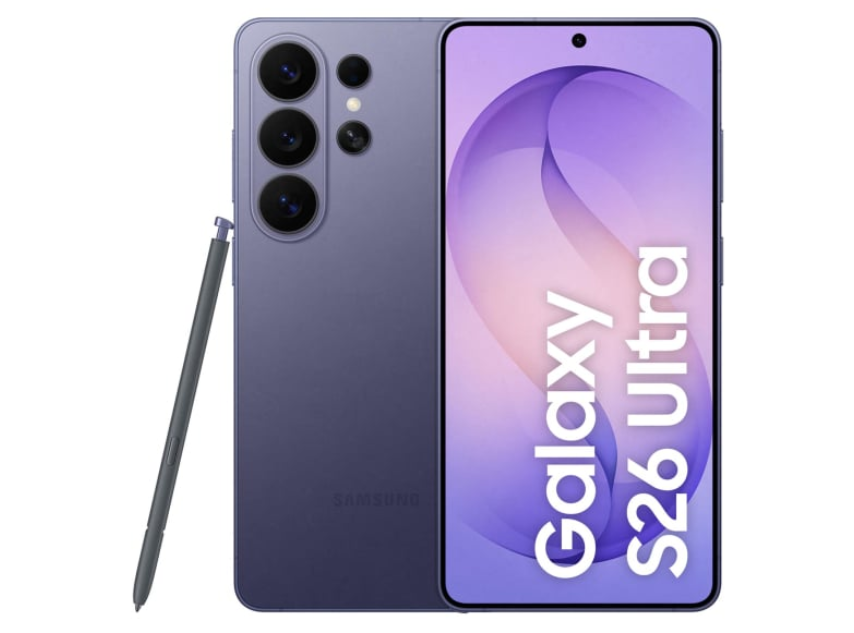
1. Samsung Galaxy S26 Ultra — Best Overall Alternative
Editorial rating: 9.6/10
For people who want a premium smartphone without choosing Apple, the Samsung Galaxy S26 Ultra is one of the strongest places to start.
Samsung’s Ultra series combines a large, high-resolution display with powerful hardware, a versatile camera system, and productivity features that are difficult to find together on other conventional smartphones. The integrated S Pen is particularly useful for handwritten notes, marking up documents, and precise on-screen work.
The camera system is another major attraction. Its combination of main, ultrawide, and telephoto cameras provides flexibility for landscapes, portraits, distant subjects, and everyday photography.
The S26 Ultra also introduces a Privacy Display feature designed to limit the visibility of on-screen content from certain viewing angles. It is a useful example of Samsung focusing on practical hardware differences rather than relying entirely on software features.
Key advantages
- Large, high-quality AMOLED display.
- Versatile multi-camera system with optical zoom options.
- Integrated S Pen for notes and productivity.
- Powerful flagship performance.
- Extensive Android customization.
- A broad ecosystem of accessories and services.
What could be better?
The Ultra is expensive, and its large size won’t suit everyone. Some camera improvements over previous generations are relatively modest, so owners of recent Ultra models may not have a compelling reason to upgrade.
Samsung’s software also includes features and applications that not everyone needs. Buyers who prefer a minimal Android experience may find Google’s Pixel phones more appealing.
Best for: People who want a powerful, feature-rich smartphone that can handle photography, work, entertainment, and demanding applications.
Our verdict: The Galaxy S26 Ultra is the safest premium Android recommendation for buyers who want one device that does almost everything well.
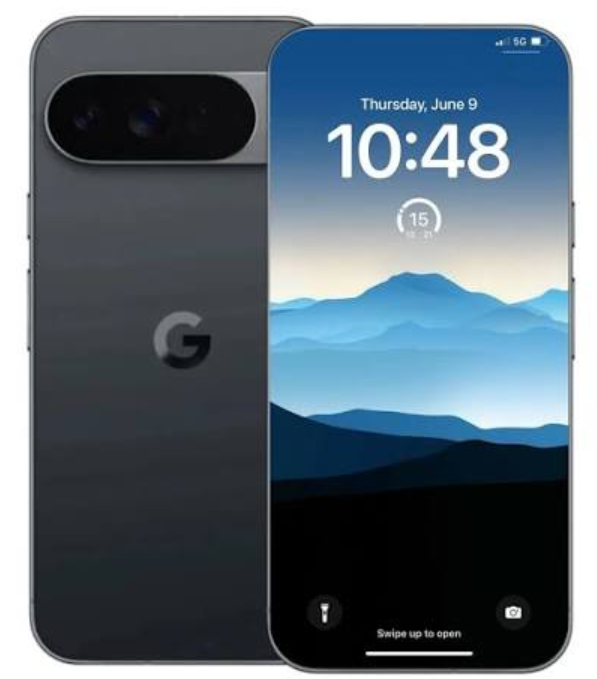
2. Google Pixel 11 Pro XL — Best for Photography and Clean Android
Editorial rating: 9.4/10
Google’s Pixel smartphones appeal to people who want an Android phone that feels cohesive and straightforward rather than heavily customized.
The Pixel 11 Pro XL sits at the premium end of Google’s range. Its appeal centers on computational photography, Google’s Android experience, and software features integrated into everyday tasks.
Google’s approach to photography is particularly attractive to people who want to take a picture and receive a polished result without manually adjusting every setting. Image processing helps balance exposure, skin tones, shadows, and highlights, although the final result still depends on lighting and the scene being photographed.
The Pro XL model is also worth considering if you prefer a large display for editing photographs, watching videos, reading, and multitasking.
Key advantages
- Clean, straightforward Android experience.
- Strong computational photography.
- Useful Google services and integrated software features.
- Large display suited to media and productivity.
- Regular software updates are a major part of the Pixel proposition.
What could be better?
Pixel phones don’t always lead the market in raw processing performance or charging speed. Camera processing can also produce a different visual style from Samsung, Apple, and Chinese flagship phones.
Before purchasing, check the exact Pixel 11 Pro XL specifications and independent reviews for your region. A newer model’s reputation should not substitute for measured battery life, camera comparisons, or confirmation of its software-support period.
Best for: People who prioritize photography, Google’s services, and a clean Android interface.
Our verdict: Consider the Pixel if you want a premium smartphone that feels intelligent and easy to use rather than overloaded with manufacturer-specific features.
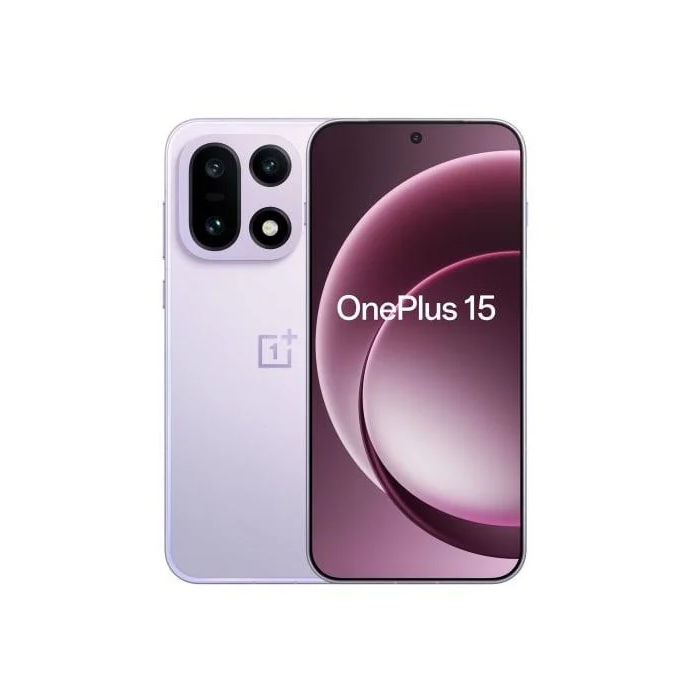
3. OnePlus 15 — Best for Performance and Battery Life
Editorial rating: 9.4/10
OnePlus has built its flagship reputation around speed, responsive software, and competitive hardware. The OnePlus 15 continues that approach, making it a compelling option for people who want a premium phone that feels fast in everyday use.
Performance is important for more than gaming. A responsive processor helps with demanding applications, editing photos and videos, multitasking, and keeping applications running smoothly.
Battery life is another major consideration. The OnePlus 15 has received particular attention from reviewers for its endurance, making it worth examining if you regularly spend long days away from a charger.
Charging technology is also a major part of OnePlus’s appeal, although charging speeds and included accessories can vary by market.
Key advantages
- Strong flagship performance.
- Excellent battery-life potential.
- Fast charging on supported configurations.
- Responsive Android software.
- Well suited to demanding applications and games.
What could be better?
The camera experience may not suit everyone as well as Google’s or Samsung’s. The software interface also differs from stock Android, and charging performance depends on using compatible equipment.
As with any premium phone, compare real-world battery tests rather than relying only on battery capacity or manufacturer estimates.
Best for: People who value speed, battery endurance, and charging convenience.
Our verdict: The OnePlus 15 is an especially attractive alternative for people who use their smartphones heavily throughout the day.
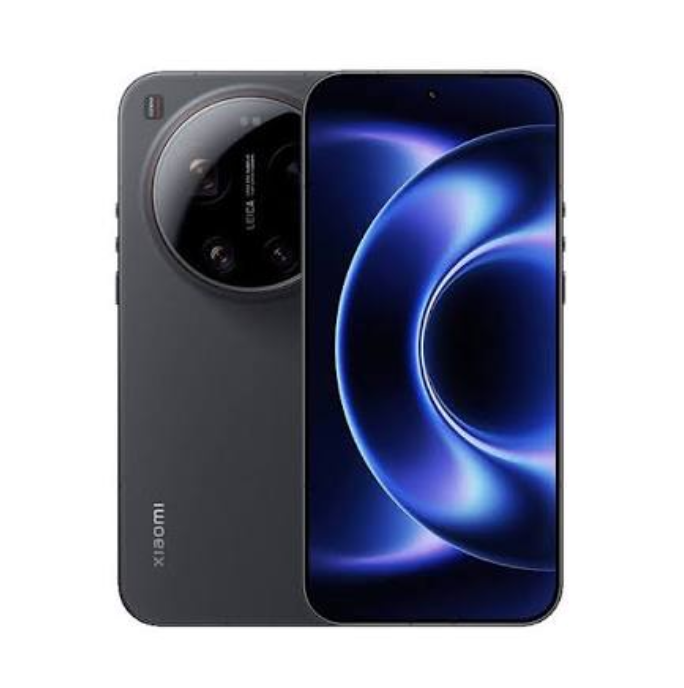
4. Xiaomi 17 Ultra — Best for Mobile Photography
Editorial rating: 9.3/10
If photography is the main reason you’re considering a premium smartphone, the Xiaomi 17 Ultra deserves a place on your shortlist.
Xiaomi’s Ultra series focuses heavily on camera hardware, image processing, and photography-oriented features. Its partnership with Leica adds a recognizable photographic identity, with image styles intended to appeal to people who care about color, contrast, and creative control.
A camera-focused flagship can be particularly valuable if you frequently photograph travel, architecture, food, portraits, or distant subjects. The ability to change focal lengths without carrying a separate camera system is one of the main advantages of premium smartphone photography.
However, impressive specifications don’t automatically translate into the best results in every situation. Autofocus reliability, moving-subject performance, skin tones, low-light photography, and video stabilization are all worth checking in independent comparisons.
Key advantages
- Camera hardware designed for photography enthusiasts.
- Multiple focal lengths for different shooting situations.
- Leica-inspired image processing.
- High-end display and performance.
- Potential to reduce the need for a separate compact camera.
What could be better?
Availability and warranty coverage vary by country. The camera module can also make the phone bulky, and Xiaomi’s software experience may not suit buyers who prefer a cleaner interface.
Before importing one, check cellular-band compatibility, local warranty arrangements, Google services, and the manufacturer’s update policy for the specific version.
Best for: People who want to make smartphone photography a central part of their buying decision.
Our verdict: The Xiaomi 17 Ultra is a compelling choice for photography enthusiasts who want more camera-focused hardware than a conventional flagship typically offers.
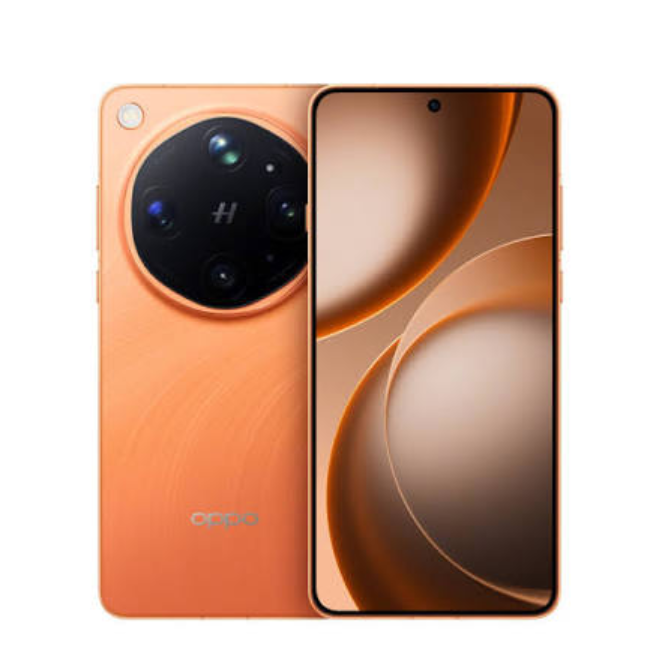
5. OPPO Find X9 Ultra — Best Premium Camera-Focused Experience
Editorial rating: 9.2/10
OPPO’s Find X Ultra series targets buyers who want a high-end Android smartphone with an emphasis on photography and premium hardware.
The Find X9 Ultra belongs on the shortlist for people who want a large display, flagship performance, and an advanced camera system in a conventional smartphone design.
Its appeal overlaps with the Xiaomi Ultra and vivo X-series flagships. All three aim to deliver a photography-focused experience, so the best choice often comes down to image processing, focal-length coverage, video performance, software preferences, and local pricing.
Key advantages
- Premium hardware positioning.
- Camera system designed for advanced photography.
- Large display for viewing and editing images.
- Flagship-level performance.
- An alternative to the most familiar Samsung and Google devices.
What could be better?
The Find X series is not equally available in every market. Buyers should confirm whether the exact model is officially sold in their country and whether local warranty service is available.
Software updates, regional feature differences, and compatibility with local mobile networks are also important considerations.
Best for: People looking beyond Samsung and Google for a premium, camera-focused Android phone.
Our verdict: A strong candidate if photography is a priority and the phone is officially available with suitable local support.
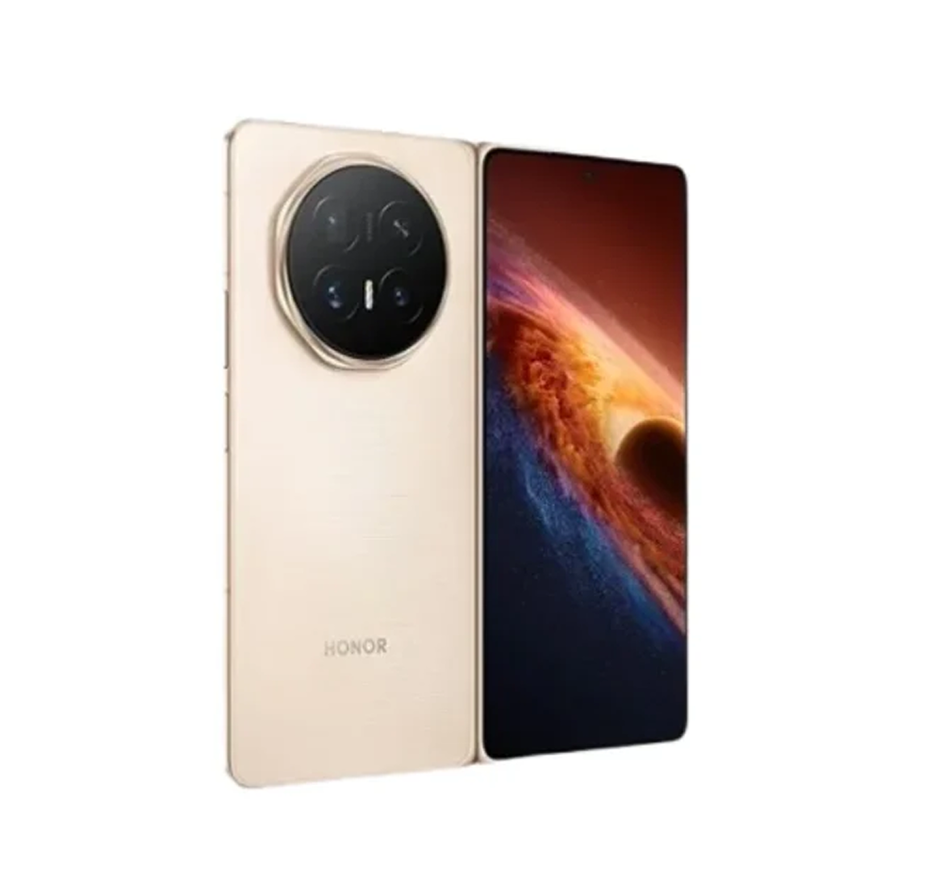
6. HONOR Magic V6 — Best Foldable for Productivity
Editorial rating: 9.1/10
A conventional smartphone is not the only alternative to an iPhone. Foldable phones offer a different approach, combining an outer display for everyday use with a larger internal screen for tasks that benefit from extra space.
The HONOR Magic V6 is designed for this category. Its appeal is the ability to move between a pocketable phone and a tablet-like workspace without carrying two separate devices.
That larger screen can be useful for reading documents, editing spreadsheets, managing email, viewing photographs, and running compatible applications side by side.
Foldables are particularly attractive to people who use their phones for work or frequently consume long-form content on the go.
Key advantages
- Foldable design with a larger internal screen.
- More screen space for multitasking.
- Useful for documents, reading, and media.
- Distinctive alternative to traditional flagship phones.
What could be better?
Foldable phones are mechanically more complex than conventional smartphones. The hinge, flexible inner display, crease visibility, and repair costs deserve attention.
They can also cost more than similarly powerful conventional phones. Before buying, check the warranty terms for the inner display and hinge, and confirm that repair service is available locally.
Best for: People who regularly multitask or want a phone that can double as a compact tablet.
Our verdict: The Magic V6 makes sense when the larger screen genuinely improves how you work or use your phone.
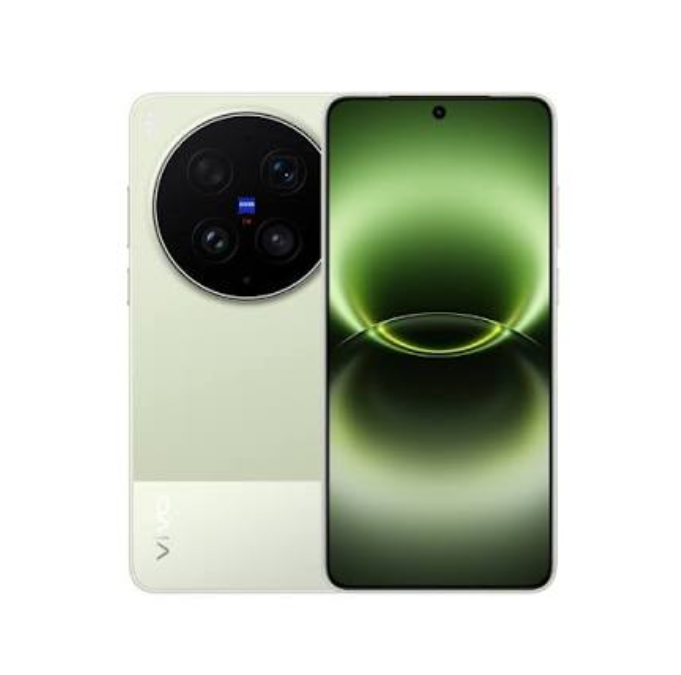
7. vivo X300 Ultra — Best for Photography Enthusiasts
Editorial rating: 9.1/10
vivo’s premium X-series phones are another option for buyers who want a camera-first smartphone.
The X300 Ultra is aimed at people who care about photographic flexibility and want advanced camera hardware in a single device. Its appeal lies in the broader flagship experience as well as its imaging capabilities.
For enthusiasts, the most important question isn’t simply how many megapixels a camera has. Sensor size, lens quality, stabilization, autofocus, image processing, and focal-length choices all affect the photographs you can produce.
The X300 Ultra is worth comparing directly with the Xiaomi 17 Ultra and OPPO Find X9 Ultra if photography is your main priority.
Key advantages
- Photography-oriented flagship design.
- Multiple camera capabilities for different subjects.
- Suitable for travel and everyday photography.
- High-end hardware beyond the camera system.
What could be better?
The vivo brand has a more limited retail and service presence in some countries than Samsung or Google. That can affect warranty support, replacement parts, and resale value.
Check local availability and independent camera tests before making a decision.
Best for: Enthusiasts who want an advanced smartphone camera and are comfortable considering brands beyond the usual global leaders.
Our verdict: Worth investigating if camera performance matters more to you than brand familiarity.
8. Sony Xperia 1 VIII — Best for Creative Control and Media

Editorial rating: 8.8/10
Sony’s flagship Xperia phones take a different approach from many mainstream smartphones. They appeal particularly to users interested in photography, video, audio, and more direct control over how media is captured or consumed.
Sony’s wider experience in cameras and entertainment hardware gives its smartphones a distinctive identity. Depending on the exact regional model, the Xperia range may appeal to people who want more control over camera settings or prefer a device designed with media enthusiasts in mind.
However, Sony’s phones aren’t automatically the best choice for everyone. Their appeal is more specialized than that of mainstream flagships, and the overall experience should be evaluated against current alternatives.
Key advantages
- Photography and video features aimed at enthusiasts.
- A distinctive approach to media and creative controls.
- Premium smartphone hardware.
- An alternative to mainstream Android interfaces and designs.
What could be better?
Pricing can be high relative to the broader feature set. Sony’s retail availability and update commitments should also be checked for the exact model and country.
Don’t buy solely because of Sony’s camera reputation. Smartphone photography depends on the complete imaging system, including lenses, sensors, processing, and software.
Best for: People who enjoy photography, video, and media-related features and want something different from a conventional flagship.
Our verdict: A specialist option that may suit creative users better than buyers looking for the most universally appealing phone.
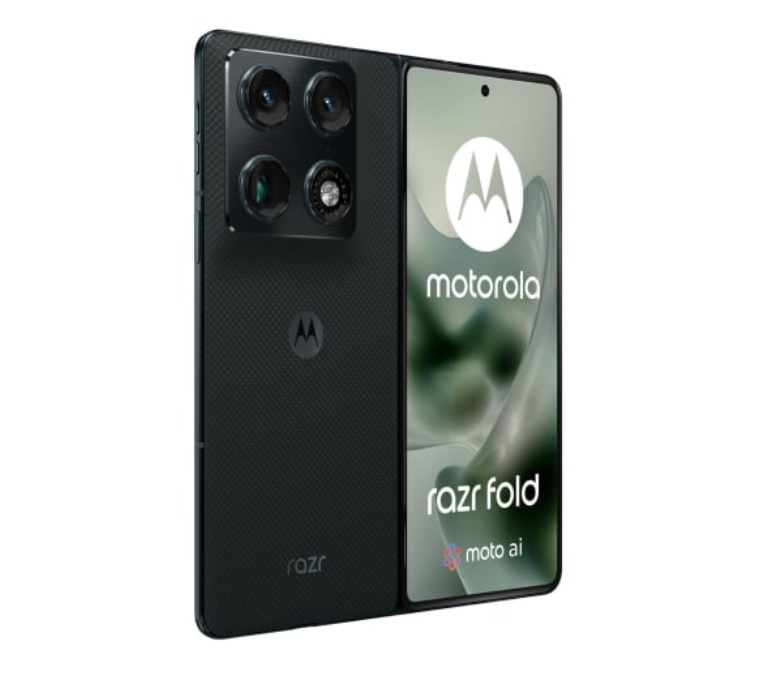
9. Motorola Razr Fold — Best for a Different Smartphone Experience
Editorial rating: 8.7/10
Motorola has made foldable smartphones a central part of its premium mobile strategy. The Razr name is familiar from its clamshell foldables, while the Razr Fold represents the larger-screen foldable direction.
A book-style foldable can provide a more tablet-like experience than a traditional smartphone. This can be useful when reading, managing multiple applications, viewing documents, or watching video.
Motorola’s approach may appeal to people who want a different design and a relatively straightforward Android experience.
Key advantages
- Foldable form factor.
- Larger internal screen for compatible multitasking workflows.
- Distinctive alternative to conventional smartphones.
- Android software experience with Motorola’s own additions.
What could be better?
Foldables involve trade-offs in price, thickness, durability, and repair costs. Camera quality and battery life should be compared with conventional phones at similar prices.
Because foldable lineups and names can differ by market, verify the exact model and its official specifications before purchasing.
Best for: People who want a large-screen foldable and prefer Motorola’s approach to Android.
Our verdict: A worthwhile alternative if the foldable form factor offers real everyday benefits—but a conventional flagship will often be the more practical purchase.
Comparison table: Which premium smartphone is right for you?
| Smartphone | Main strength | Camera focus | Battery and charging priority | Best user |
|---|---|---|---|---|
| Samsung Galaxy S26 Ultra | Versatility and productivity | Multiple cameras and zoom | Balanced flagship package | Power users |
| Google Pixel 11 Pro XL | Software and computational photography | Point-and-shoot results | Everyday reliability | Google and photography fans |
| OnePlus 15 | Performance and endurance | Strong all-round capability | High priority | Heavy users and gamers |
| Xiaomi 17 Ultra | Photography hardware | Very high | Depends on regional configuration | Photography enthusiasts |
| OPPO Find X9 Ultra | Premium camera-focused experience | Very high | Check local model specifications | Premium Android buyers |
| HONOR Magic V6 | Large internal display | Secondary to productivity | Check exact configuration | Multitaskers |
| vivo X300 Ultra | Advanced imaging | Very high | Check exact configuration | Camera enthusiasts |
| Sony Xperia 1 VIII | Creative controls and media | Enthusiast-oriented | Depends on model and use | Creative users |
| Motorola Razr Fold | Foldable design | Varies by configuration | Check real-world tests | Foldable-phone fans |
What should you look for when choosing an iPhone alternative?
The best Android phone isn’t necessarily the one with the fastest processor or the most impressive camera specifications. It’s the one that best fits your needs.
1. Camera quality
If you take photographs every day, compare actual images rather than megapixel counts. Look for tests covering daylight, indoor scenes, night photography, portraits, moving subjects, and video.
Different manufacturers also process images differently. Some favor natural colors, while others emphasize contrast or more dramatic results.
2. Battery life
Battery capacity is useful information, but it doesn’t tell the whole story. Screen size, processor efficiency, signal strength, software, and usage patterns all affect endurance.
Look for independent tests that include browsing, video playback, camera use, and demanding applications. If possible, prioritize a phone that comfortably lasts through your typical day.
3. Charging speed
One of the most noticeable differences between smartphone brands is charging technology.
Some Android phones support faster wired charging than iPhones, but the advertised maximum usually requires a compatible charger and suitable conditions. Charging speeds can also be limited by temperature, battery level, and regional configuration.
Wireless charging standards and accessory compatibility are worth checking too.
4. Software support
A premium phone should remain useful for years, not just perform well on the day you buy it.
Before purchasing, check the manufacturer’s stated operating-system and security-update commitments. Confirm whether those commitments apply to the exact model and regional version.
Also consider whether you prefer a clean interface, extensive customization, built-in productivity tools, or specialized camera applications.
5. Size and ergonomics
A large display is excellent for video and multitasking, but it can make a phone difficult to operate with one hand.
If you frequently walk, commute, or use your phone one-handed, try the device in person when possible. Weight, width, camera-bump size, and button placement can make a meaningful difference to everyday comfort.
6. Repairability and warranty
A smartphone is a significant purchase, so long-term support matters.
Check the warranty, local service availability, repair prices, and availability of replacement screens and batteries. This is especially important for imported devices and foldable phones.
7. Price and value
Don’t compare phones based only on their launch prices. Discounts, storage configurations, trade-in offers, and regional pricing can change which model represents the best value.
A discounted previous-generation flagship may be a better purchase than the newest model if the differences are minor and the older device still has a long support period remaining.
Are Android flagships better than iPhones?
There is no universal winner. Android flagships can offer advantages in certain areas, but the overall experience depends on how you use your phone.
| Category | Where Android alternatives can stand out | What to consider |
|---|---|---|
| Hardware variety | More designs, sizes, and foldable options | Some models are region-specific |
| Camera hardware | Different telephoto, sensor, and lens configurations | Hardware specifications don’t guarantee better photos |
| Charging | Some models offer very fast wired charging | Maximum speeds may require proprietary chargers |
| Customization | More options to adjust the interface and default applications | Software experiences vary by manufacturer |
| Productivity | Integrated styluses and foldable screens on selected models | Extra features may increase price and complexity |
| Software experience | Choice between cleaner and more heavily customized interfaces | Update policies differ between brands |
| Accessories | A broad Android accessory ecosystem | Compatibility varies by model and charging standard |
| Long-term ownership | Some brands offer strong update commitments and repair support | Verify support terms and service availability locally |
The biggest advantage of Android is choice. You can select a phone built around photography, gaming, productivity, charging speed, or a foldable screen.
The iPhone, meanwhile, may remain the better fit for people who already depend on Apple’s ecosystem, use an Apple Watch, or prefer the familiarity of iOS.
Final verdict: Which smartphone should you buy instead of an iPhone?
For most buyers who want a premium smartphone without choosing Apple, the Samsung Galaxy S26 Ultra is our leading all-round recommendation. It combines a versatile camera system, a high-quality display, strong performance, and useful productivity features.
If photography and a straightforward Android interface are your priorities, consider the Google Pixel 11 Pro XL. If battery endurance and speed matter most, the OnePlus 15 deserves serious attention.
Photography enthusiasts should compare the Xiaomi 17 Ultra, OPPO Find X9 Ultra, and vivo X300 Ultra. The HONOR Magic V6 and Motorola Razr Fold are worth considering if you want a foldable screen, while the Sony Xperia 1 VIII offers a more specialized experience for creative users.
Ultimately, you don’t need to buy an iPhone to get a top-level smartphone. The Android market offers excellent alternatives with different strengths, designs, and software experiences.
Our buying advice: Choose the phone that excels at the two or three things you actually do most often. A great camera, reliable battery life, comfortable design, and long-term software support will usually matter more than a specification sheet filled with impressive numbers.
Sources and further reading
The following source addresses are provided as plain text, without embedded hyperlinks.
- WIRED — The Best Android Phones (updated September 2026)
https://www.wired.com/gallery/best-android-phones/ - TechRadar — The Best Android Phones of 2026
https://www.techradar.com/best/best-android-phones - GSMArena — Best Flagship Phones 2026: Buyer’s Guide
https://www.gsmarena.com/best_flagship_phones_buyers_guide-review-2027.php - Stuff — Best Phones to Buy in 2026
https://www.stuff.tv/features/best-phone/
Editorial note: Product names, regional availability, specifications, prices, and software-support commitments should be verified against manufacturers’ official pages before publication. The editorial ratings in this article are SEE2GET assessments, not independently measured test results.